Oxeye Daisy
Oxeye Daisy Seeds
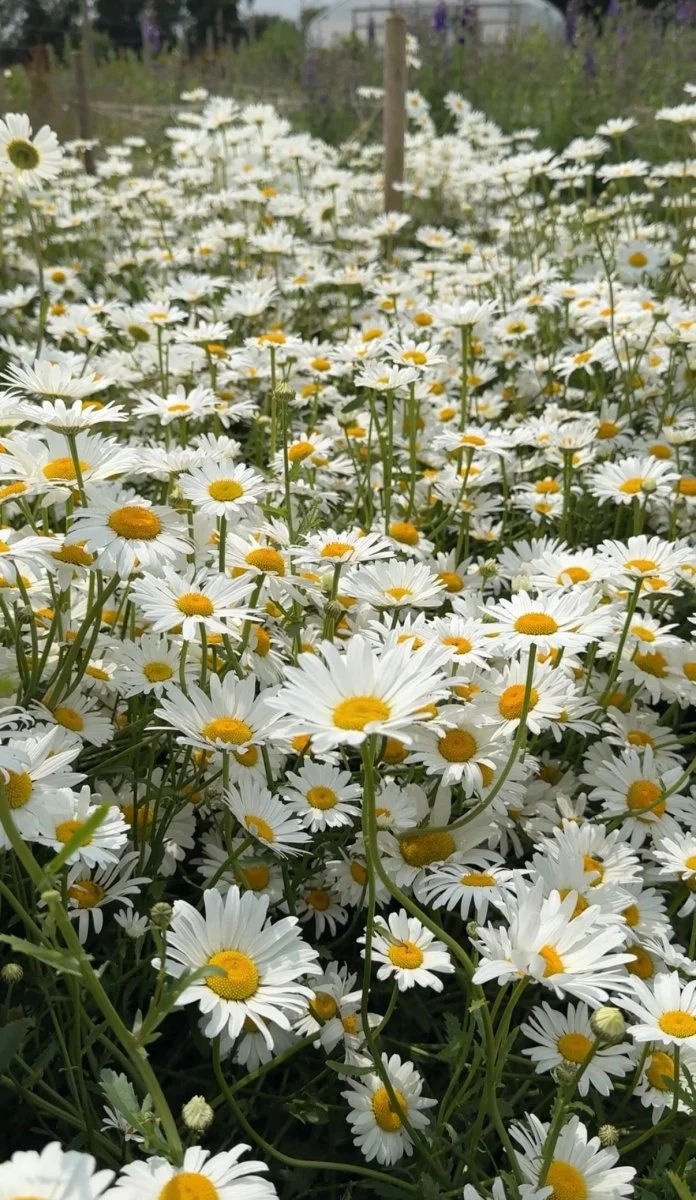
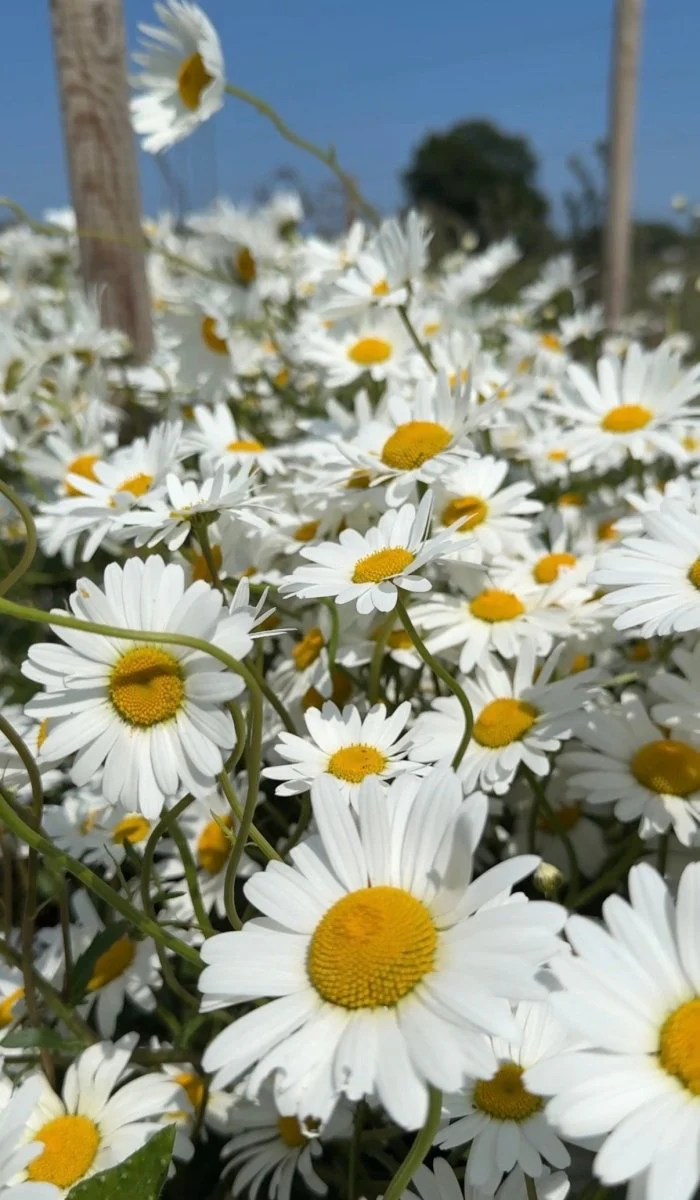
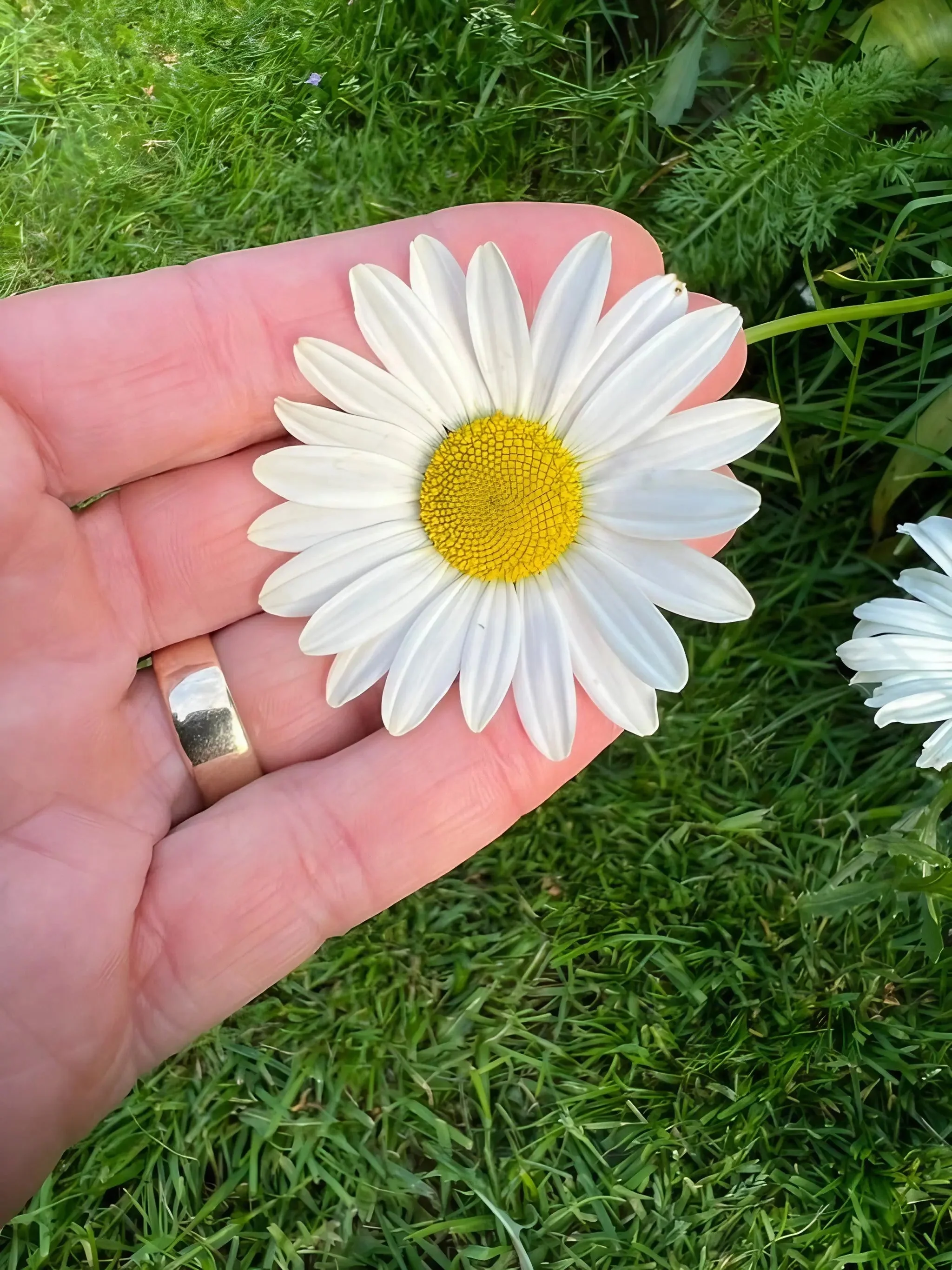
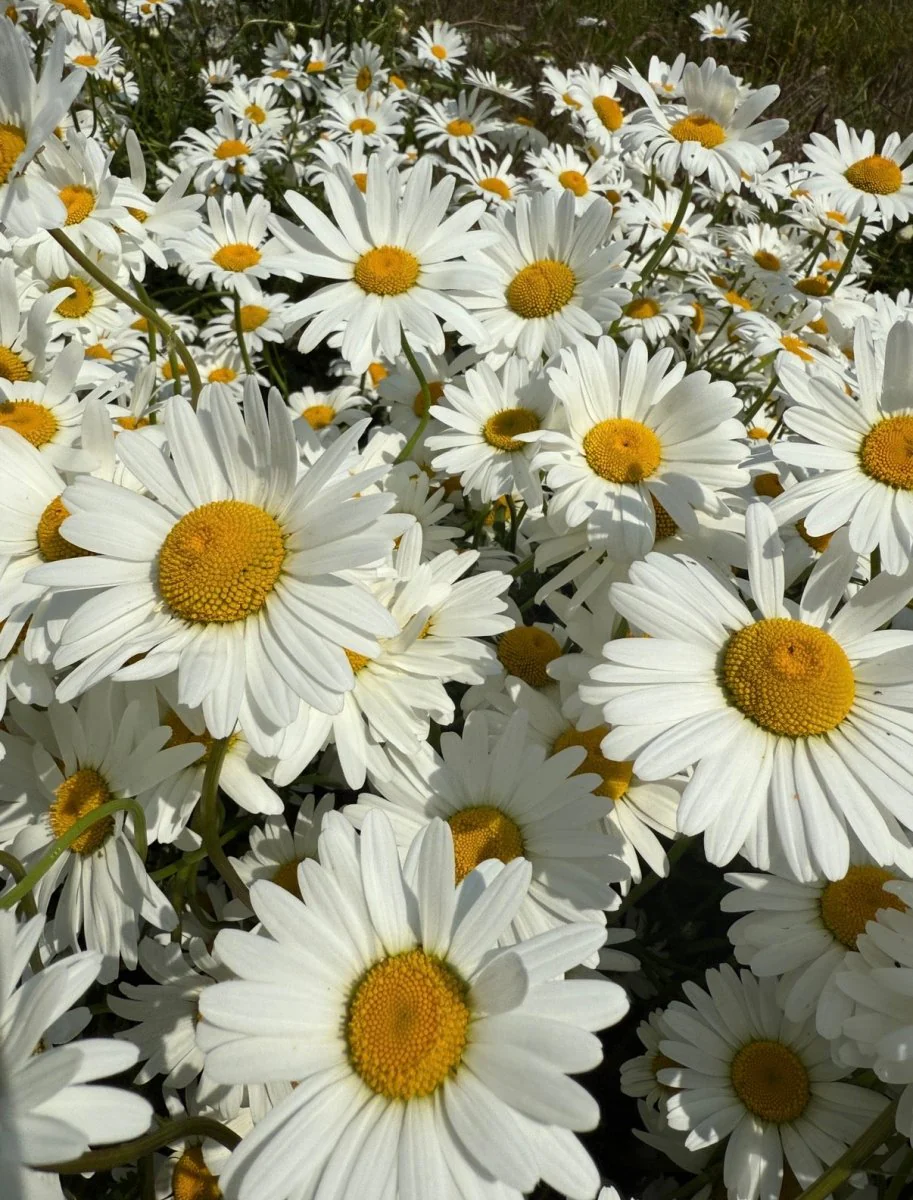
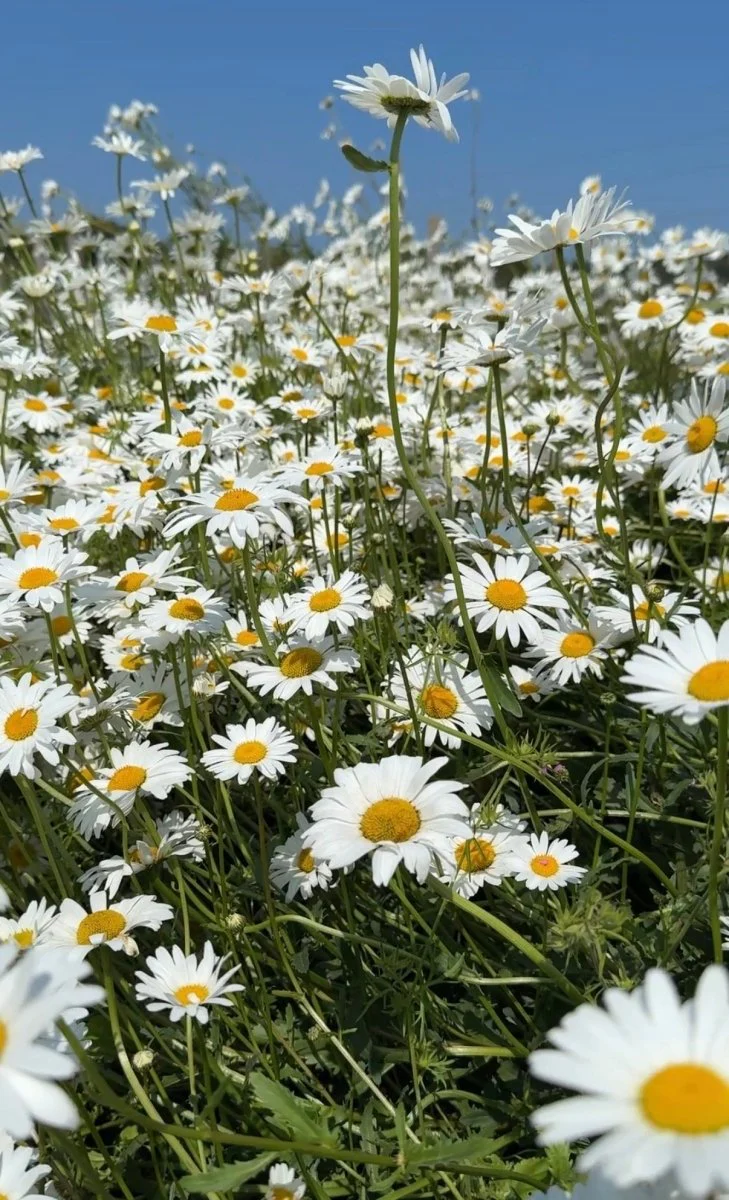
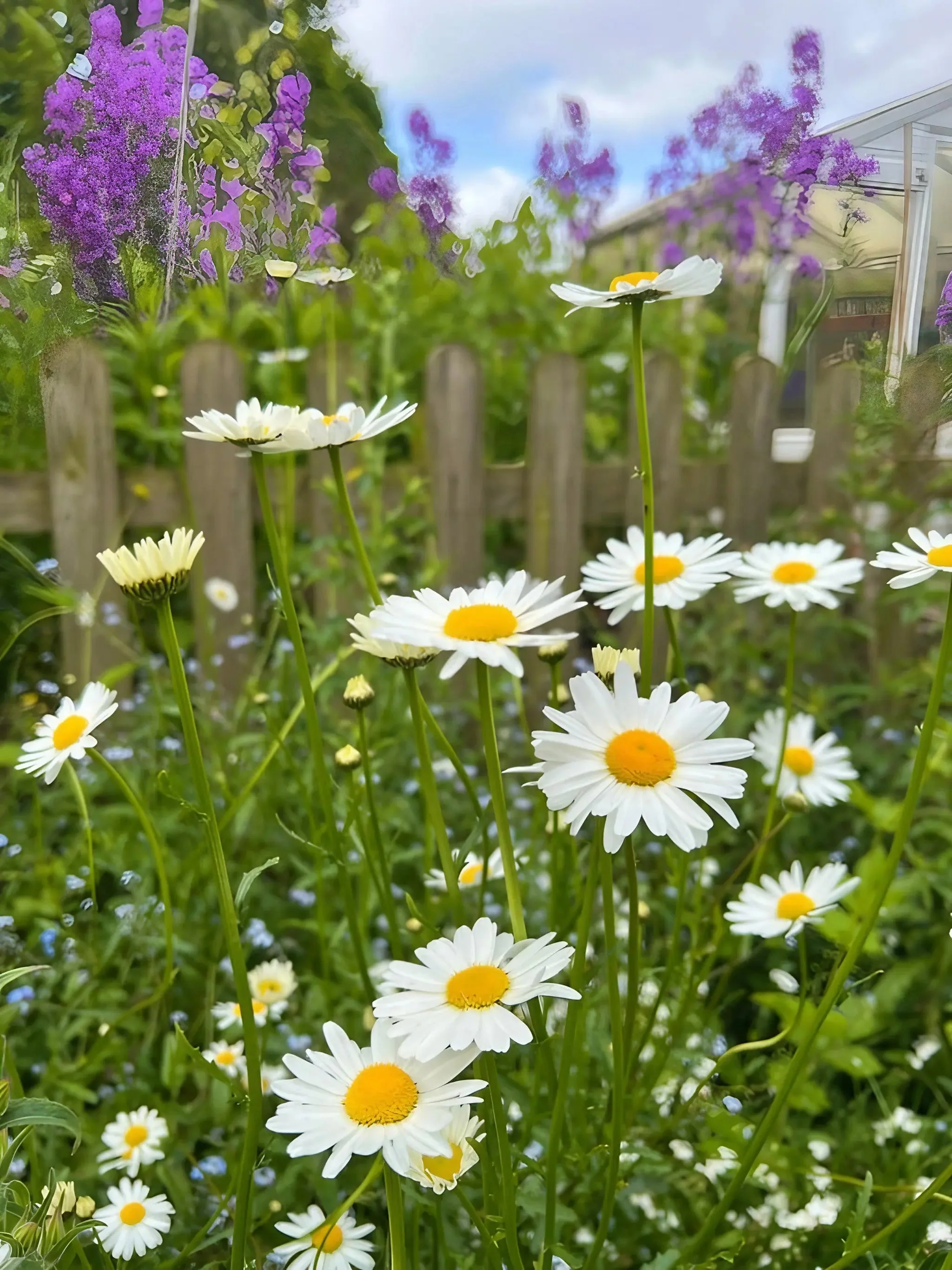
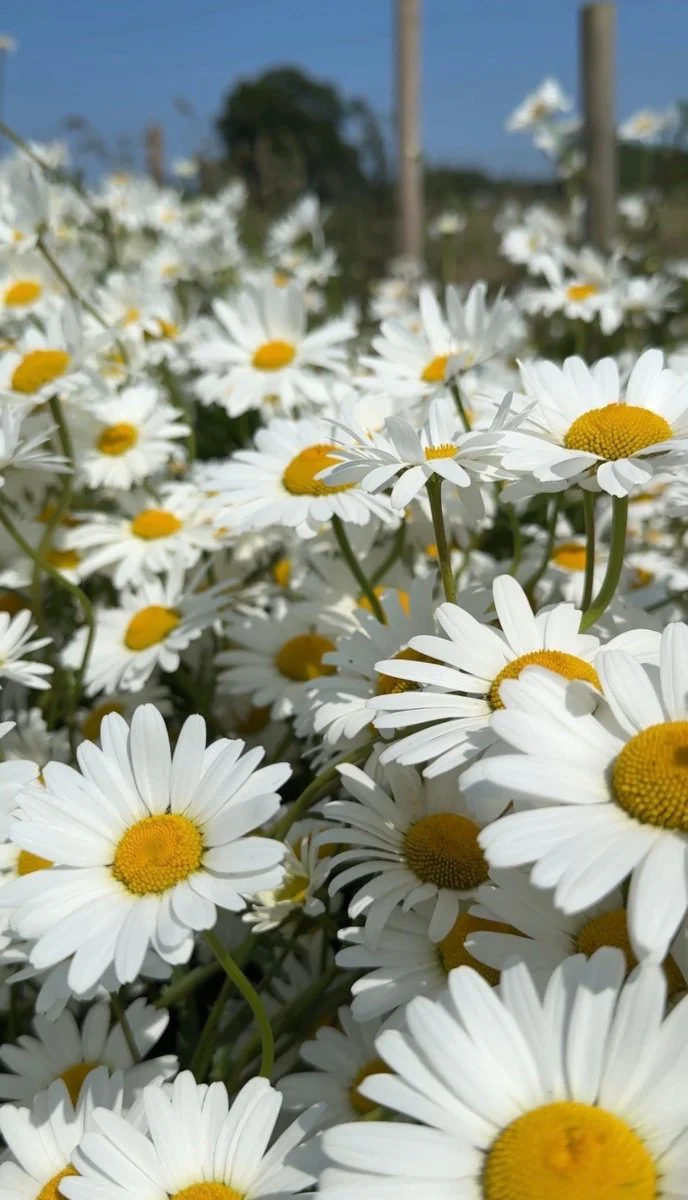
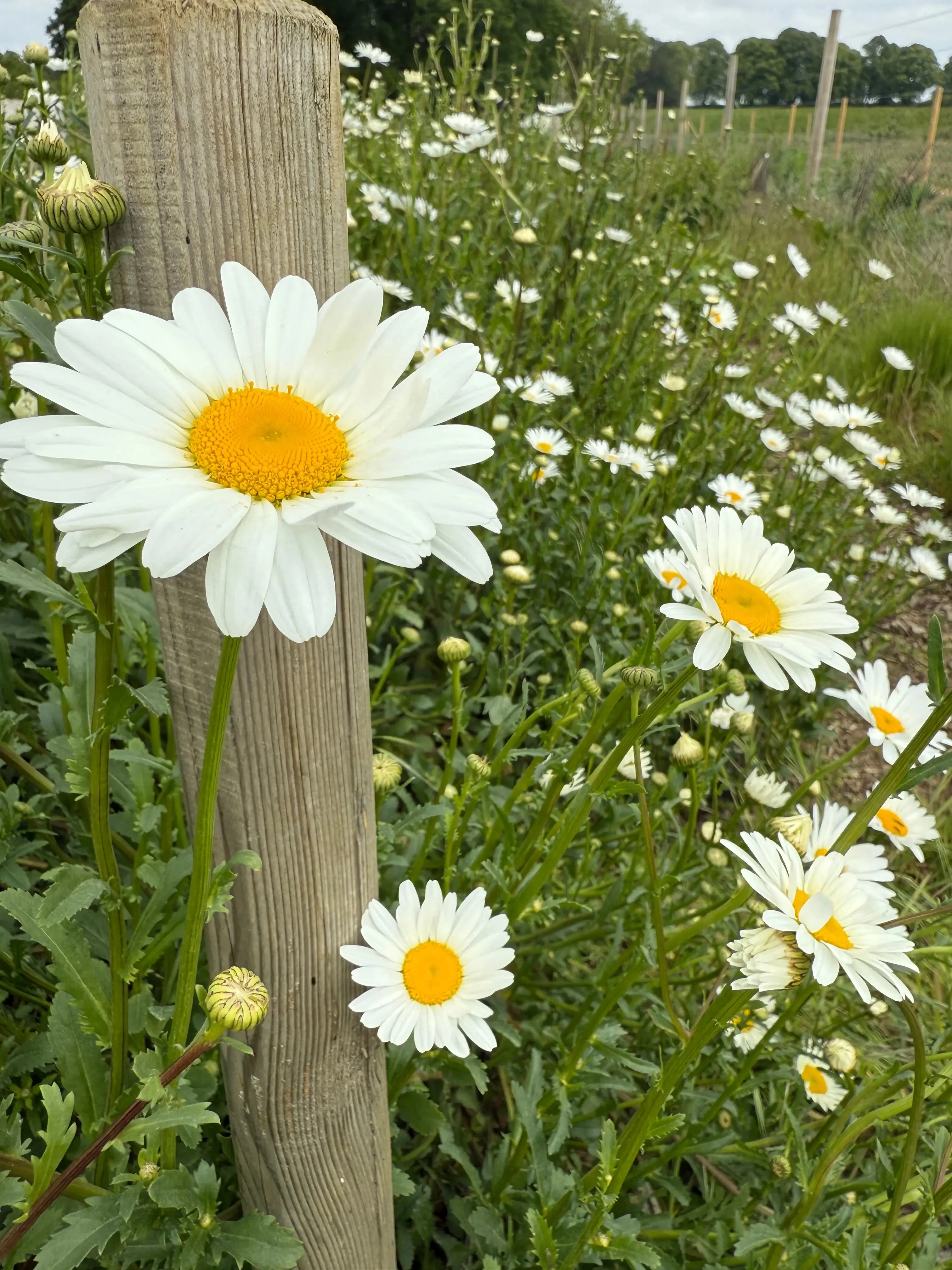
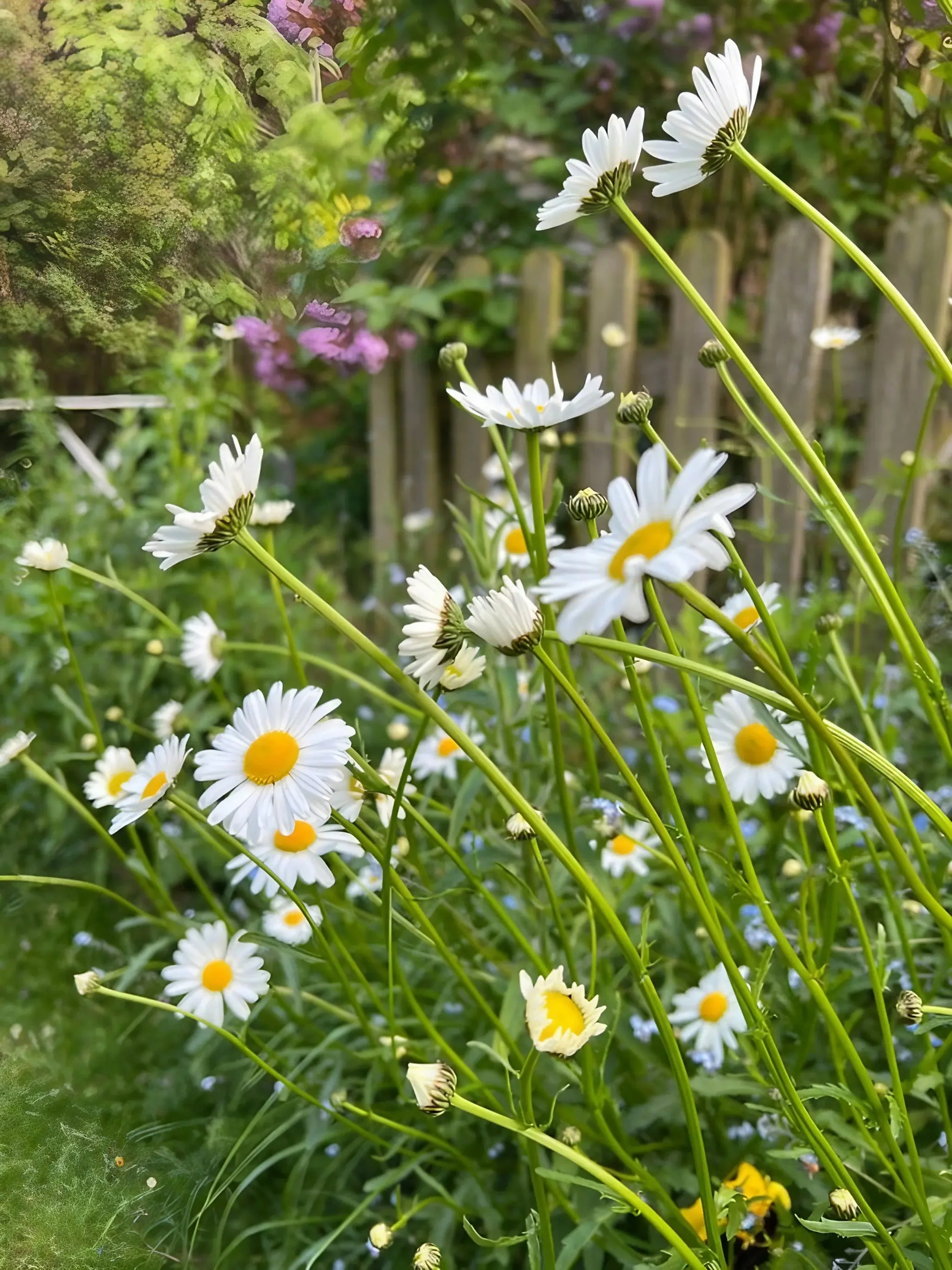
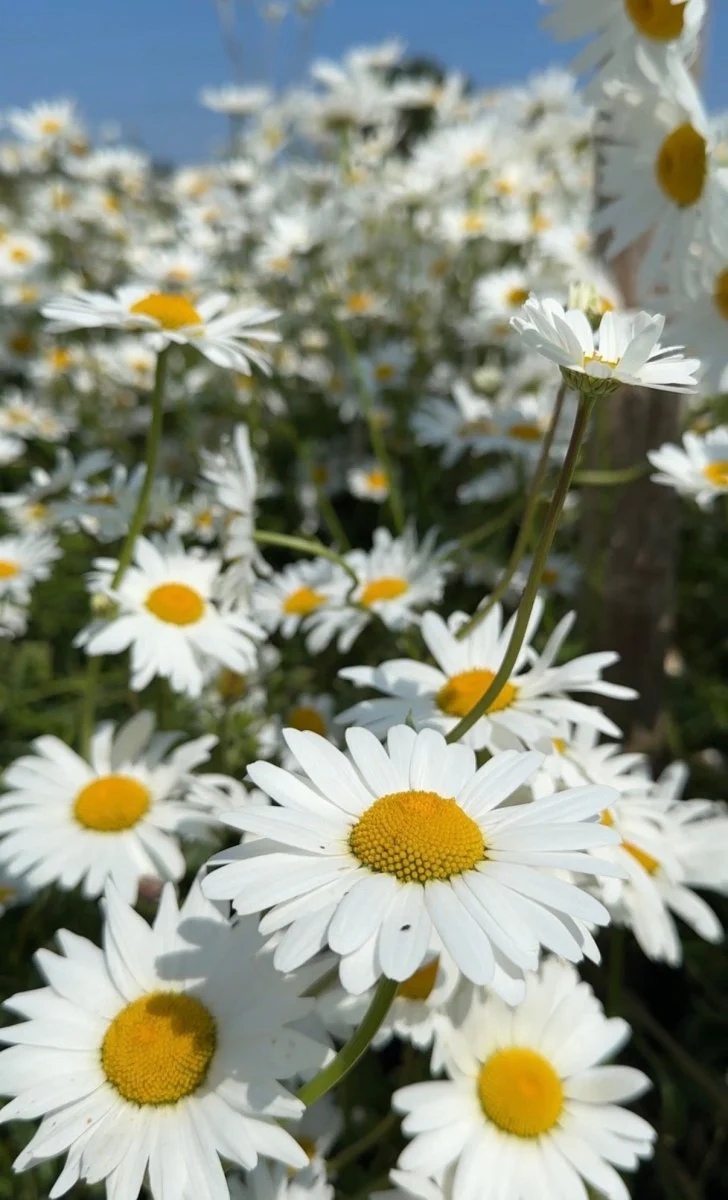
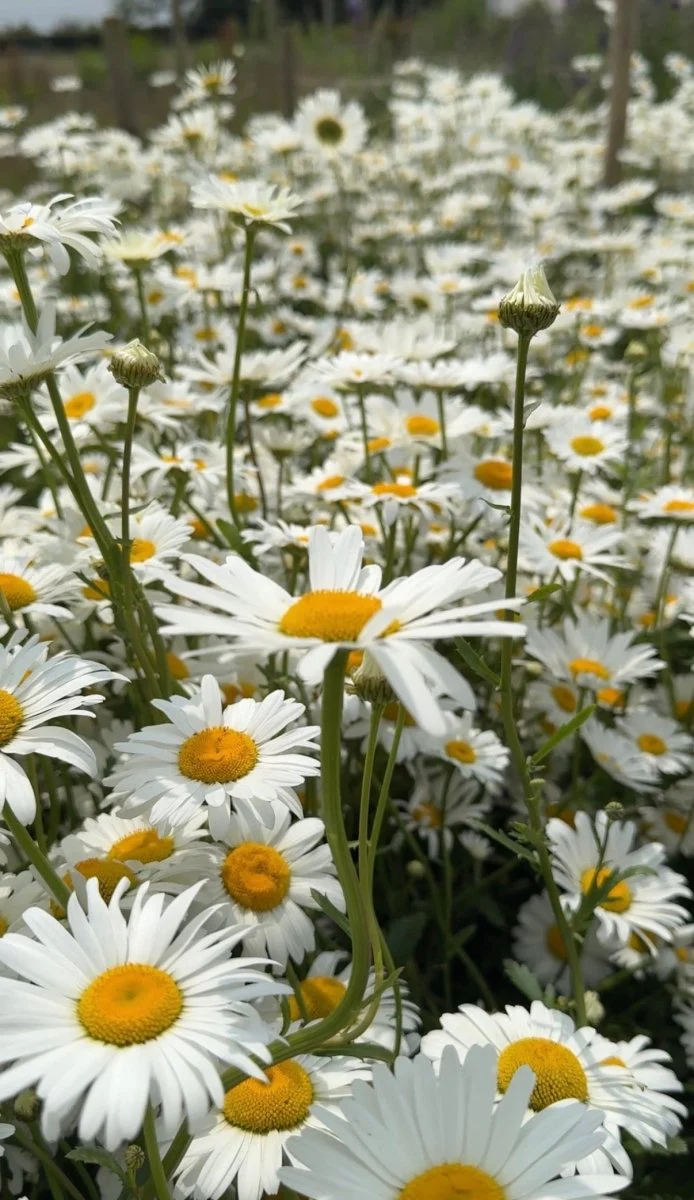
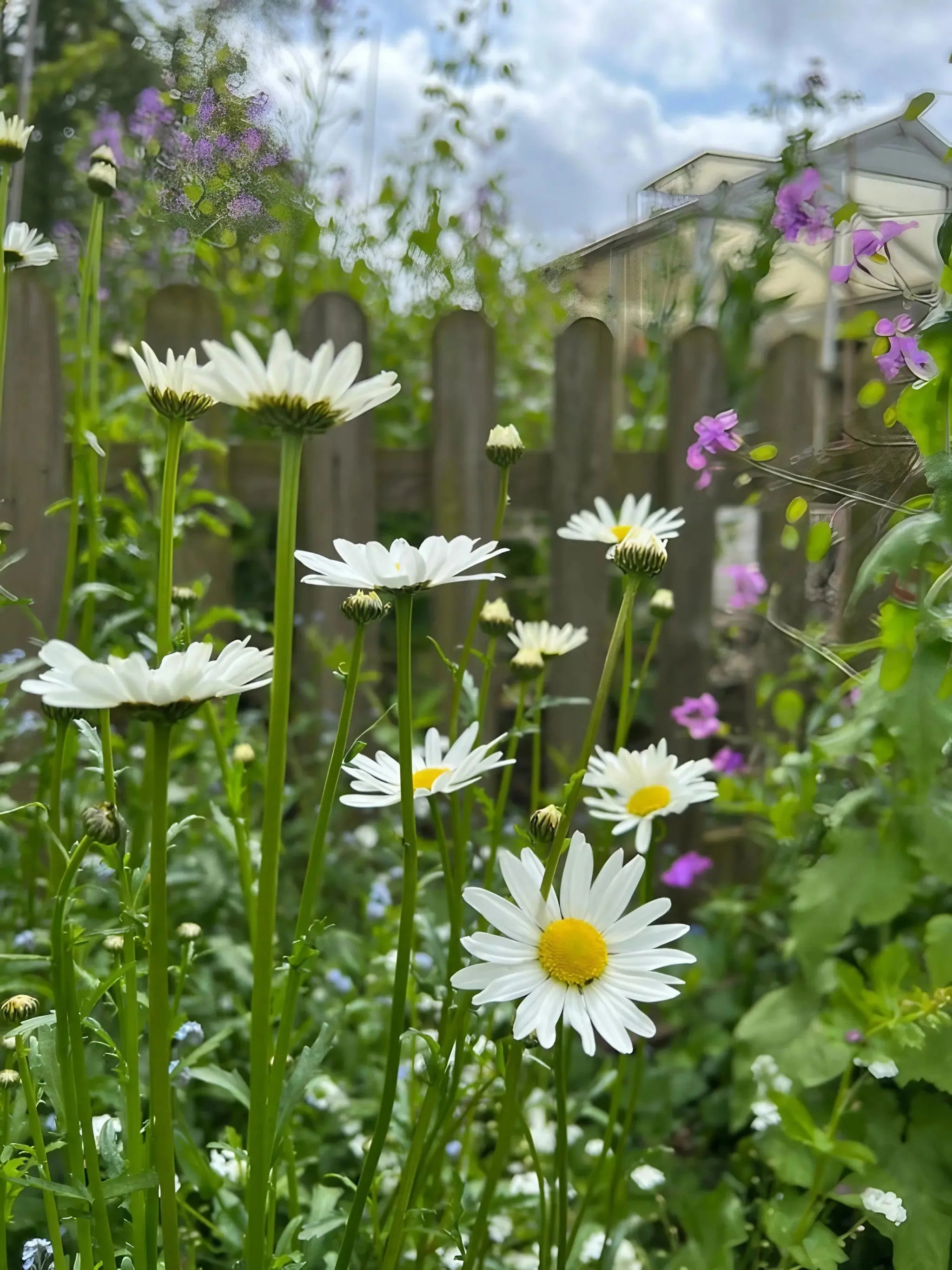
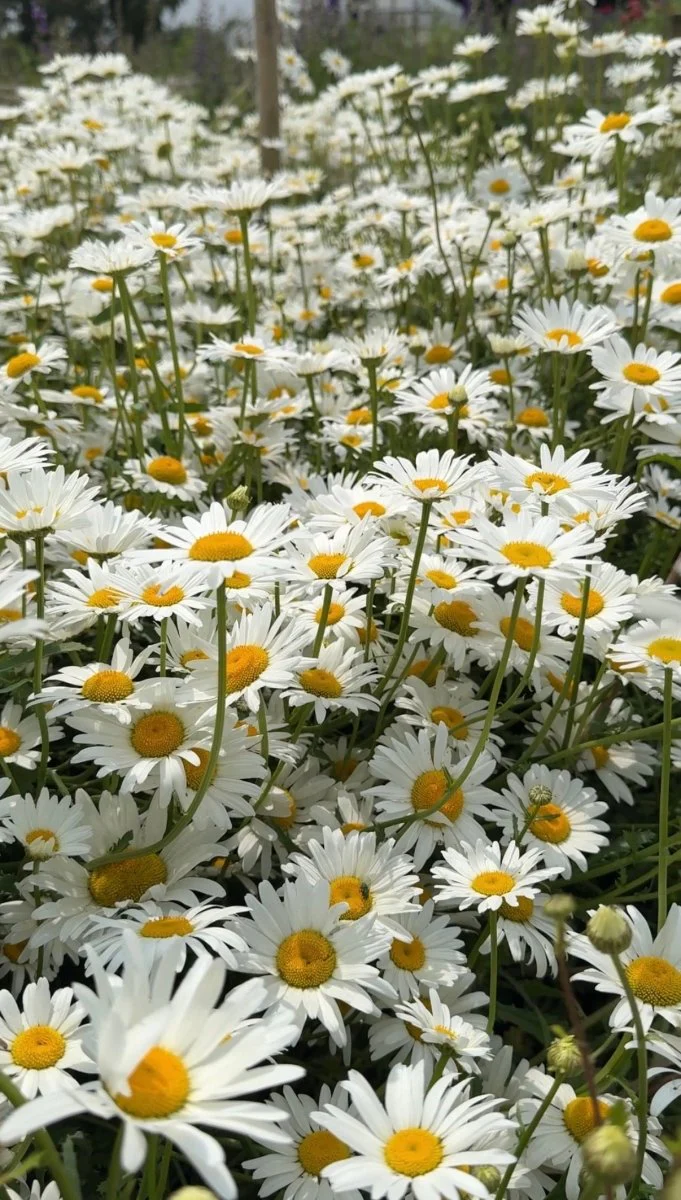
The Oxeye Daisy (also known as the Moon Daisy or Dog Daisy) is the definitive wildflower. It produces large, cheerful flower heads with pure white petals surrounding a vibrant yellow eye. These bob and sway on tall, wiry stems, creating that classic, rippling meadow effect in the breeze.
This is the backbone of any rewilding project. It is a tough, vigorous native perennial that establishes quickly and returns year after year, expanding to form large, weed-suppressing clumps. Whether you have a dedicated meadow, a wild corner, or just a sunny border that needs brightening up, this plant guarantees a display from May right through to September.
Read More
🌿 Understanding the Plant
Leucanthemum vulgare is a Hardy Native Perennial (H7). It is incredibly robust, surviving even the harshest UK winters. Once established, it forms a low-growing rosette of leaves that remain green for much of the year, sending up tall flowering stems in late spring.
The Pioneer Plant: In the wild, Oxeye Daisies are often the first flowers to colonise bare ground. They spread via underground rhizomes and by self-seeding, effectively "knitting" a wildflower patch together. They are perfect for stabilizing banks or filling large wild areas quickly.
Biodiversity Hero: Listed on the RHS Plants for Pollinators list, the broad, flat heads act as a landing pad for a vast array of insects, particularly butterflies, beetles, and hoverflies.
🌱 Growing Guide
Oxeye Daisies are remarkably easy to establish, provided they are not over-fed.
How to Sow:
Sow outdoors in Autumn (Sept-Oct) or Spring (March-May). Scatter the seeds onto bare, raked soil. Do not cover them deeply, as they require light to germinate—simply press them firmly into the surface. Germination usually takes 14-28 days.
Where to Plant:
They demand full sun and thrive in well-drained soil. They are particularly happy on chalky or sandy ground. Top Tip: Do not add fertilizer! Wildflowers perform best in poor soil; rich soil encourages them to grow too tall and flop over.
The Meadow Cut:
If growing as part of a meadow, cut the plants back to the ground in late summer or autumn after they have finished flowering and dropped their seeds. Always remove the cuttings to keep soil fertility low, which prevents aggressive grasses from taking over.
📋 Plant Specifications
| Botanical Name | Leucanthemum vulgare |
| Common Name | Oxeye Daisy / Moon Daisy |
| Plant Type | Hardy Native Perennial |
| Hardiness | H7 (Ultra Hardy) |
| Light Requirements | Full Sun ☀️ |
| Height | 60cm - 80cm |
| Spread | 45cm+ |
| Spacing | 30cm apart (or scatter) |
| Flowering Period | May to September |
| Perfect For | 🦋 Native Meadows 🐝 Beetle & Bee Haven 🧱 Difficult/Poor Soils 🌙 Night-Scented Gardens |
| Seeds per Packet | Approximately 1000 seeds |
🤝 Beautiful Garden Combinations
Oxeye Daisies are the foundation of any British wildflower meadow. Pair them with these fellow natives from our range:
- 🔴 Poppy 'Flanders Red': The Instant Colour. As the daisies are perennials and take a year to fully establish, sowing Poppies alongside them provides a vibrant splash of scarlet red in the first summer.
- 🌾 Yellow Rattle: The Meadow Helper. If you are sowing into an area with existing grass, Yellow Rattle is essential. It is semi-parasitic to grass, weakening it and allowing the Oxeye Daisies room to thrive.
📅 Sowing & Flowering Calendar
Sow in autumn or spring for a classic meadow display from May to September.
🌱 Moon Daisy Warning
Oxeye Daisies are incredibly vigorous! While they are perfect for wildflower meadows and naturalistic areas, they can easily take over a small, formal border. Plant them where they have room to spread and do their thing.
🏆 RHS Plants for Pollinators
Oxeye Daisy is a heavyweight of the RHS Plants for Pollinators list. Its large, flat flower heads provide an essential landing pad for butterflies, hoverflies, and beetles, making it one of the most important plants for British biodiversity.
Original: $3.32
-65%$3.32
$1.16Product Information
Product Information
Shipping & Returns
Shipping & Returns
Description
Oxeye Daisy Seeds
The Oxeye Daisy (also known as the Moon Daisy or Dog Daisy) is the definitive wildflower. It produces large, cheerful flower heads with pure white petals surrounding a vibrant yellow eye. These bob and sway on tall, wiry stems, creating that classic, rippling meadow effect in the breeze.
This is the backbone of any rewilding project. It is a tough, vigorous native perennial that establishes quickly and returns year after year, expanding to form large, weed-suppressing clumps. Whether you have a dedicated meadow, a wild corner, or just a sunny border that needs brightening up, this plant guarantees a display from May right through to September.
Read More
🌿 Understanding the Plant
Leucanthemum vulgare is a Hardy Native Perennial (H7). It is incredibly robust, surviving even the harshest UK winters. Once established, it forms a low-growing rosette of leaves that remain green for much of the year, sending up tall flowering stems in late spring.
The Pioneer Plant: In the wild, Oxeye Daisies are often the first flowers to colonise bare ground. They spread via underground rhizomes and by self-seeding, effectively "knitting" a wildflower patch together. They are perfect for stabilizing banks or filling large wild areas quickly.
Biodiversity Hero: Listed on the RHS Plants for Pollinators list, the broad, flat heads act as a landing pad for a vast array of insects, particularly butterflies, beetles, and hoverflies.
🌱 Growing Guide
Oxeye Daisies are remarkably easy to establish, provided they are not over-fed.
How to Sow:
Sow outdoors in Autumn (Sept-Oct) or Spring (March-May). Scatter the seeds onto bare, raked soil. Do not cover them deeply, as they require light to germinate—simply press them firmly into the surface. Germination usually takes 14-28 days.
Where to Plant:
They demand full sun and thrive in well-drained soil. They are particularly happy on chalky or sandy ground. Top Tip: Do not add fertilizer! Wildflowers perform best in poor soil; rich soil encourages them to grow too tall and flop over.
The Meadow Cut:
If growing as part of a meadow, cut the plants back to the ground in late summer or autumn after they have finished flowering and dropped their seeds. Always remove the cuttings to keep soil fertility low, which prevents aggressive grasses from taking over.
📋 Plant Specifications
| Botanical Name | Leucanthemum vulgare |
| Common Name | Oxeye Daisy / Moon Daisy |
| Plant Type | Hardy Native Perennial |
| Hardiness | H7 (Ultra Hardy) |
| Light Requirements | Full Sun ☀️ |
| Height | 60cm - 80cm |
| Spread | 45cm+ |
| Spacing | 30cm apart (or scatter) |
| Flowering Period | May to September |
| Perfect For | 🦋 Native Meadows 🐝 Beetle & Bee Haven 🧱 Difficult/Poor Soils 🌙 Night-Scented Gardens |
| Seeds per Packet | Approximately 1000 seeds |
🤝 Beautiful Garden Combinations
Oxeye Daisies are the foundation of any British wildflower meadow. Pair them with these fellow natives from our range:
- 🔴 Poppy 'Flanders Red': The Instant Colour. As the daisies are perennials and take a year to fully establish, sowing Poppies alongside them provides a vibrant splash of scarlet red in the first summer.
- 🌾 Yellow Rattle: The Meadow Helper. If you are sowing into an area with existing grass, Yellow Rattle is essential. It is semi-parasitic to grass, weakening it and allowing the Oxeye Daisies room to thrive.
📅 Sowing & Flowering Calendar
Sow in autumn or spring for a classic meadow display from May to September.
🌱 Moon Daisy Warning
Oxeye Daisies are incredibly vigorous! While they are perfect for wildflower meadows and naturalistic areas, they can easily take over a small, formal border. Plant them where they have room to spread and do their thing.
🏆 RHS Plants for Pollinators
Oxeye Daisy is a heavyweight of the RHS Plants for Pollinators list. Its large, flat flower heads provide an essential landing pad for butterflies, hoverflies, and beetles, making it one of the most important plants for British biodiversity.